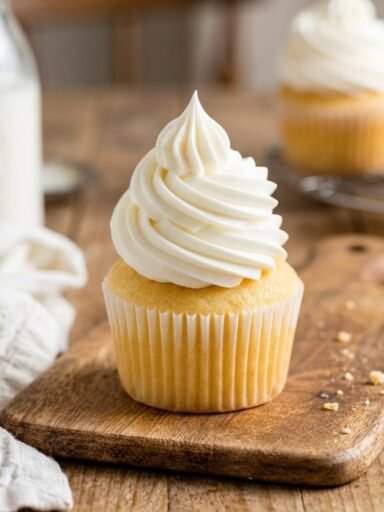
 Leo

When an Italian food icon like Stanley Tucci attaches his name to a recipe, people pay attention. The internet has been completely obsessed with the “Stanley Tucci Cloud Cake” recently, and for good reason. It sounds like something you would order at a tiny, rustic café in Milan, but it requires incredibly basic pantry ingredients.
A traditional Italian “cloud cake” (often called Torta Paradiso) gets its name because the texture is aggressively soft, airy, and practically melts on your tongue. It does not rely heavily on chemical leavening agents like baking soda to rise. Instead, you physically beat air into the butter, and you fold in heavily whipped egg whites to give the cake its sky-high, spongy structure.
I made this for a dinner party last weekend, and I completely skipped frosting it. I just hit the top with a massive blizzard of powdered sugar and served it with a bowl of plain raspberries. The entire cake vanished in ten minutes.
If you love cakes that feel impossibly light, this sits in the exact same category as my Vanilla Magic Custard Cake. If you want a denser, heavier Italian dessert, go check out my Easy Italian Love Cake. If you want an intense citrus punch without separating eggs, make my Easy One-Bowl Lemon Dessert. But if you are ready to put in five minutes of arm work to build the fluffiest cake of your life, grab your whisk.
☁️ Bake Time · Italian Classic · 10 Slices
Prep time: 20 min · Bake time: 40 min · Calories: 310 kcal
The Macronutrient Reality
Just because it is called a “cloud” does not mean it is made of air and water. This is a traditional European butter cake. It is incredibly rich. Here is the estimated breakdown per slice (assuming you cut an 8-inch round cake into 10 slices):
- Calories: 310
- Protein: 4g
- Carbohydrates: 38g
- Dietary Fiber: 1g
- Total Sugars: 24g
- Fat: 16g
- Saturated Fat: 10g
- Sodium: 110mg
If you are looking for a diet cake to fit your low-carb macros, close this tab and go make my Flourless Sugar-Free Carrot Cake Recipe. If you are staying here, do not try to substitute the butter for applesauce or oil. The dairy fat is structurally required.
The “Stiff Peak” Secret
This entire recipe hinges on one specific physical technique: whipping egg whites.
You have to separate your egg yolks from your egg whites. The yolks get mixed into the butter to provide richness and fat. The egg whites go into a spotlessly clean glass bowl, and you beat them until they hold “stiff peaks.” This means when you pull your whisk straight out of the bowl, the egg whites stand straight up like little mountains without flopping over.
Those whipped egg whites are millions of tiny, trapped air balloons. When you gently fold them into your heavy cake batter, they act as scaffolding. When the cake hits the hot oven, the air inside those balloons expands, forcing the cake to rise into a fluffy cloud. If you get lazy and just dump whole eggs into the batter, you will bake a flat, dense pound cake.
The Ingredient Lineup

The Cloud Batter:
- 1 cup (2 sticks) unsalted butter, completely softened
- 1 3/4 cups granulated sugar
- 3 large eggs, separated into yolks and whites (room temperature)
- 2 1/4 cups all-purpose flour
- 1/2 cup whole milk, room temperature
- 1 1/2 teaspoons baking powder
- 1/4 teaspoon fine sea salt
- 1 teaspoon pure vanilla extract
- Zest of one fresh lemon
The Finish:
- Powdered sugar (confectioners’ sugar) for dusting
The Eggs and Milk: They absolutely must be room temperature. If you pour cold milk or cold egg yolks into softened butter, the butter will instantly seize up and turn into hard, greasy little rocks. Your batter will look like cottage cheese, and the cake will be terribly dense.
The Lemon: Traditional Italian cakes almost always use a hint of citrus to cut through the heavy butter. You do not need the juice, just the yellow zest on the outside of the skin.
Separate, Whip, Fold, Bake
1. Prep the dry ingredients.
In a medium bowl, whisk the all-purpose flour, baking powder, and fine sea salt together so you don’t have pockets of baking powder hiding in the batter later.
2. Beat the whites.
Make sure you are using a glass or metal bowl (plastic bowls hold onto hidden grease that prevents egg whites from whipping).
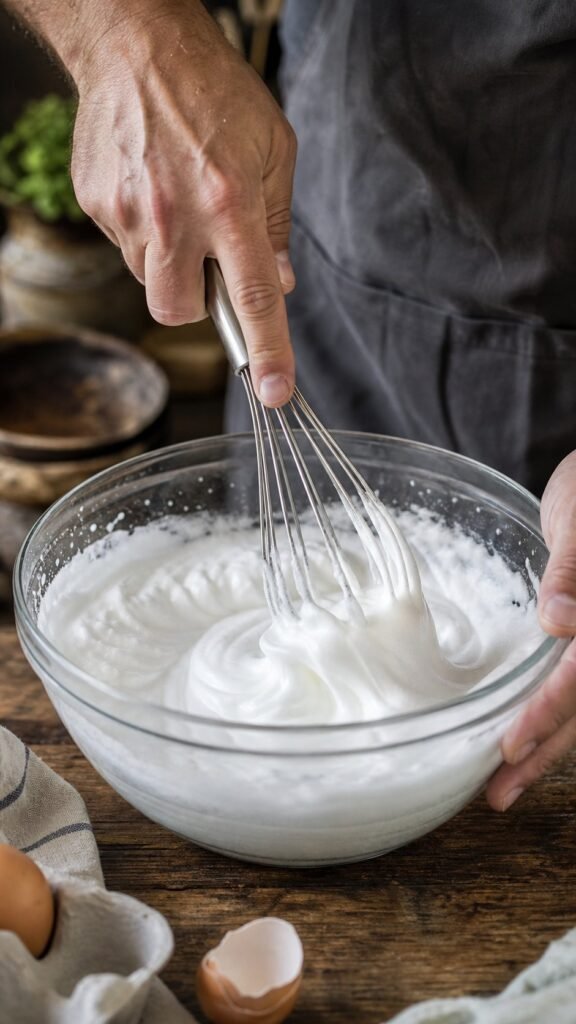
Use an electric hand mixer (or a wire whisk if you want a massive arm workout) to beat the 3 egg whites until they form stiff, glossy peaks. Set them aside.
3. Cream the butter and sugar.
In a separate, massive bowl, beat the softened butter and granulated sugar together on medium-high speed for a full three minutes. It needs to look pale, fluffy, and noticeably increased in volume.
Add the 3 egg yolks, the vanilla extract, and the lemon zest. Beat for another minute until totally smooth.
4. Alternate wet and dry.
Turn your mixer to the lowest speed. Add one-third of your flour mixture to the butter. Mix just until it disappears. Add half of your room-temperature milk. Mix. Add another third of the flour. Mix. Add the rest of the milk, and finally the last of the flour. Stop the mixer the exact second the last white streak of flour vanishes. The batter will be very thick and heavy.
5. The Danger Zone (Folding).
Take your bowl of whipped egg whites and dump a massive spoonful of it into your thick batter. Stir it in normally to lighten the batter up.
Now, dump the rest of the egg whites in. Put the mixer away. Grab a silicone spatula.

You must fold the whites in gently. Cut down the middle of the bowl with your spatula, scrape the bottom, and fold the batter over the top. Rotate the bowl and repeat. Do this slowly and gently until no giant white clumps remain. If you aggressively stir it like you are making soup, you will crush all the trapped air balloons, and your cake will be flat.
6. Pour and Bake.
Scrape the airy, fluffy batter into a 9-inch round springform pan that has been heavily greased and lined with parchment paper on the bottom.
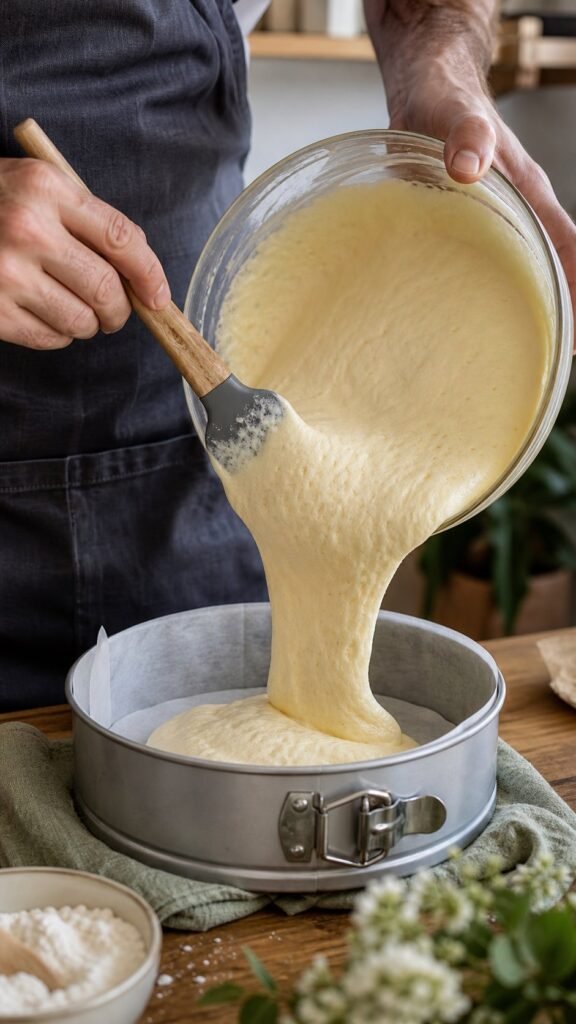
Bake at 350°F (175°C) for 35 to 45 minutes. You want the top to be deeply golden brown, and a wooden skewer inserted into the dead center must come out perfectly clean.
7. Cool and Dust.
Let the cake cool in the pan for 15 minutes before unlatching the springform ring. Let it cool completely on a wire rack. Before serving, put a handful of powdered sugar into a mesh strainer and tap it aggressively over the cake until it looks like a blizzard hit it.
What I Got Wrong First
My first attempt at a separated-egg sponge cake was a complete failure because of a single drop of water. I washed my mixing bowl, didn’t dry it completely, and cracked my egg whites into it. I sat there with my electric mixer on high for ten minutes, and the egg whites just stayed a bubbly, watery liquid. They never formed peaks. Egg whites are incredibly fragile. If there is a drop of water or a speck of egg yolk in the bowl, they will refuse to whip. Your bowl must be bone dry.
My second mistake was losing my patience during the folding stage. I got tired of being gentle and just took a wooden spoon and aggressively stirred the egg whites into the thick batter. I heard a distinct hissing sound as all the air deflated. The cake came out of the oven looking like a yellow brick. You have to treat the batter like it is fragile glass.

Quick Cake Troubleshooting
Why did my cake sink in the middle while cooling?
You opened the oven door too early. If you open the oven at the 20-minute mark to check on it, a rush of cold kitchen air hits the cake before the internal structure has baked firm. The air bubbles collapse, and the center caves in. Keep the door closed until you hit at least 35 minutes.
Why is my cake dry and tough?
You overmixed the flour. Once you add flour to liquids, gluten begins to form. If you beat the flour into the butter for two minutes on high speed, you are developing the gluten just like you would for a loaf of bread. Only mix until the white streaks disappear.
My cake is browning too fast on top!
If the top is getting dark but the center is still raw batter, your oven runs hot. Quickly open the door and loosely lay a sheet of aluminum foil over the top of the pan to shield it, then let it finish baking.
Make-Ahead Storage Rules
Because this cake is so light and airy, it can dry out quickly if you do not store it properly.
The Countertop Rule: Do not put this cake in the fridge. The cold air in the refrigerator will immediately dry out the crumb and cause the butter to solidify, making it taste dense and stale. Keep it on your kitchen counter, wrapped very tightly in plastic wrap or sealed under a heavy glass cake dome. It will stay fresh and soft for about 3 days.
Freezing: This cake freezes exceptionally well. Do not put powdered sugar on it if you plan to freeze it. Wrap the completely cooled, bare cake in two tight layers of plastic wrap and one layer of foil. It will survive in the freezer for up to three months. Let it thaw on the counter overnight, then dust it heavily with powdered sugar right before you slice it.
Variations and Tweaks
Almond Amaretto Cloud: Swap the vanilla extract for one teaspoon of pure almond extract, and fold a half-cup of toasted, slivered almonds directly into the batter. This gives it an incredibly authentic, nutty Italian bakery flavor.
Berry Compote Topping: The absolute best way to eat this cake is with fresh fruit. Put two cups of frozen raspberries or strawberries into a saucepan with a tablespoon of sugar. Boil it for five minutes until it turns into a thick, jammy syrup. Spoon the warm fruit syrup directly over the cold slices of cake.
The Tiramisu Soak: Use a skewer to poke dozens of tiny holes into the top of the baked, cooled cake. Brush the entire top of the cake heavily with strongly brewed espresso and a splash of coffee liqueur (like Kahlúa). Dust the top with dark cocoa powder instead of powdered sugar.
Stanley Tucci Cloud Cake
Aggressively soft, airy Italian butter cake that melts on your tongue. Whipped egg whites lift it sky-high — no heavy chemical leavening needed. Dust with powdered sugar, serve with raspberries.
Ingredients 01
This entire recipe hinges on whipping egg whites to stiff peaks — when you pull the whisk straight out, the whites stand straight up like little mountains without flopping over. Those whites are millions of trapped air balloons that act as scaffolding, forcing the cake to rise into a fluffy cloud in the oven.
As an Amazon Associate, we may earn from qualifying purchases. Click any ingredient name to shop it on Amazon — no extra cost to you.
How to Cook 02
In a medium bowl, whisk 2 ¼ cups all-purpose flour + 1 ½ tsp baking powder + ¼ tsp fine sea salt together so you don’t have pockets of baking powder hiding in the batter later.
Use a spotlessly clean glass or metal bowl — plastic holds onto hidden grease that prevents egg whites from whipping. Beat the 3 egg whites with an electric hand mixer (or wire whisk for an arm workout) until they form stiff, glossy peaks. Set aside.
In a separate massive bowl, beat 1 cup softened butter + 1 ¾ cups sugar on medium-high for a full 3 minutes until pale, fluffy, and increased in volume. Add 3 egg yolks + 1 tsp vanilla + lemon zest. Beat another minute until totally smooth.
Turn mixer to lowest speed. Add ⅓ of the flour mixture, mix till it disappears. Add ½ the room-temperature milk, mix. Add another ⅓ flour, mix. Add the rest of the milk, then the last of the flour. Stop the mixer the exact second the last white streak of flour vanishes. The batter will be very thick and heavy.
Dump a big spoonful of whipped egg whites into the thick batter and stir normally to lighten it. Now dump the rest of the whites. Put the mixer away — grab a silicone spatula. Fold gently: cut down the middle, scrape the bottom, fold over the top. Rotate and repeat till no giant white clumps remain. Aggressive stirring crushes the trapped air balloons and your cake will be flat.
Scrape the airy batter into a 9-inch round springform pan heavily greased and lined with parchment on the bottom. Bake at 350°F (175°C) for 35–45 minutes. Top deeply golden brown, and a wooden skewer in the dead center comes out perfectly clean. Do not open the oven door before 35 minutes or cold air will collapse the center.
Cool in the pan for 15 minutes, then unlatch the springform ring. Cool completely on a wire rack. Before serving, put powdered sugar in a mesh strainer and tap it aggressively over the cake until it looks like a blizzard hit it.
Notes 03
A single drop of water or speck of egg yolk in the bowl will stop egg whites from forming peaks. Your bowl must be bone dry. I washed my bowl once, didn’t dry it completely, and sat there ten minutes with the mixer on high — the whites stayed a bubbly watery liquid.
Cold milk or cold egg yolks poured into softened butter will make the butter seize into hard greasy little rocks. Your batter will look like cottage cheese and the cake will be terribly dense. Let eggs and milk sit out before you start.
Don’t stir the egg whites in like soup — you’ll hear the air deflate and bake a yellow brick. Cut, scrape, fold, rotate, repeat slowly until no giant white clumps remain.
You opened the oven door too early. A rush of cold kitchen air before 35 minutes collapses the air bubbles before the structure sets. Keep the door closed until at least 35 minutes.
You overmixed the flour. Once flour meets liquid, gluten forms. Beat flour into butter for two minutes on high and you’re making bread, not cake. Only mix till the white streaks disappear.
You may also like...