 Leo

When I was a kid, the gingerbread men we hung on the Christmas tree were essentially decorative bricks. If you actually tried to eat one, you risked shattering a molar. They were aggressively hard, completely dried out, and tasted like dusty cloves. Because of that trauma, I spent years avoiding traditional cut-out gingerbread cookies entirely. I even made a completely lazy, no-roll version—my Eggnog Gingerbread Thumbprint Cookies—just to avoid dealing with cookie cutters.
But eventually, I had kids of my own, and kids want to decorate gingerbread men. So, I had to figure out how to make a cut-out cookie that holds its shape in the oven but stays incredibly soft, thick, and chewy when you actually bite into it.
The secret to soft gingerbread is twofold: you have to use a massive amount of brown sugar instead of white sugar, and you have to stop rolling the dough in extra flour.
These are the softest, most heavily spiced gingerbread cookies you will ever eat. They don’t snap when you bite them; they bend. The royal icing dries hard enough that you can stack them in a tin, but the cookie underneath stays perfectly gooey.
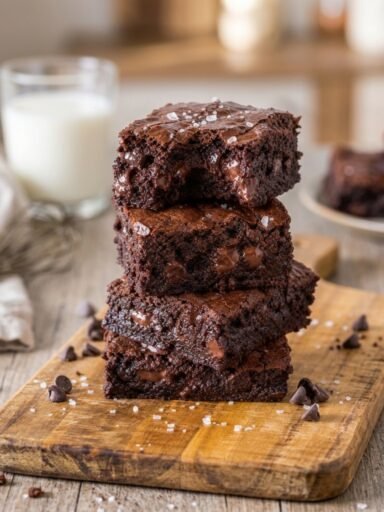
If you are looking for a totally different holiday cookie to add to the baking tin, try my Best Almond Flour Brownies or my towering Chocolate Chip Pumpkin Muffins. But if you have cookie cutters and an afternoon to kill, this is the only gingerbread recipe you need.
🎄 Bake Time · Holiday Classic · 24 Cookies
Prep time: 25 min · Chill time: 3 hrs · Bake time: 9 min · Calories: 150 kcal
The Nutrition Breakdown
Gingerbread is heavily reliant on molasses and butter to achieve that signature dense, chewy texture. Here is the estimated breakdown per decorated cookie (assuming you use a standard 3-inch gingerbread man cutter and get 24 cookies):
- Calories: 150
- Protein: 2g
- Carbohydrates: 24g
- Dietary Fiber: 1g
- Total Sugars: 12g
- Fat: 6g
- Saturated Fat: 4g
- Sodium: 85mg
You cannot lower the sugar in this recipe without ruining the texture. Brown sugar holds moisture; if you reduce it, the cookies will dry out in the oven and turn into the very bricks I complained about in the intro.
The “Parchment Sandwich” Rolling Trick
This is the single most important tip in the entire recipe. Do not dust your kitchen counter with flour to roll out this dough.
Every time you roll sticky gingerbread dough on a floured counter, the dough absorbs that raw flour. By the time you gather your scraps and re-roll the dough for a second or third time, you have forced an extra half-cup of dry flour into the cookies. That is why your final batch of cookies always tastes like chalk.
Instead, create a “parchment sandwich.” Place the sticky dough directly between two large sheets of parchment paper. Roll your rolling pin over the top sheet of paper. The dough will not stick to the pin, it will not stick to the counter, and you introduce zero extra flour into the recipe. It keeps the cookies impossibly soft.
The Ingredient Lineup

The Gingerbread Dough:
- 3 cups all-purpose flour
- 1 tablespoon ground ginger
- 1 tablespoon ground cinnamon
- 1/2 teaspoon ground cloves
- 1/2 teaspoon ground nutmeg
- 3/4 teaspoon baking soda
- 1/2 teaspoon fine sea salt
- 3/4 cup (1.5 sticks) unsalted butter, softened
- 3/4 cup packed dark brown sugar
- 1/2 cup unsulphured dark molasses
- 1 large egg, room temperature
- 1 teaspoon vanilla extract
The Easy Royal Icing:
- 2 cups powdered sugar
- 1 1/2 tablespoons meringue powder
- 3 to 4 tablespoons warm water
The Molasses: Buy standard dark molasses. Do not accidentally buy blackstrap molasses. Blackstrap is hyper-concentrated and incredibly bitter. If you use it, the cookies will taste like burnt coffee grounds.
The Spices: A tablespoon of ginger and a tablespoon of cinnamon sounds like a lot. It is. Gingerbread should punch you in the face with flavor. If you use weak, old spices, the cookies just taste like brown sugar.
The Meringue Powder: You need this for the icing. Meringue powder (found in the baking aisle) allows the icing to dry completely hard and shiny so you can stack the cookies in a tin without smudging the faces. If you just mix milk and powdered sugar, the icing will stay wet forever.
Mix, Chill, Roll, Cut
1. Whisk the dry stuff.
In a large bowl, whisk the flour, ginger, cinnamon, cloves, nutmeg, baking soda, and salt.
2. Cream the butter.
In a separate massive bowl, use an electric hand mixer to beat the softened butter and dark brown sugar together for two minutes until it is fluffy and noticeably lighter in color. Add the molasses, the egg, and the vanilla extract. Beat it again until it is completely smooth.
3. Combine.
Dump the dry flour mixture into the wet butter mixture. Turn your mixer on the lowest speed. Mix it just until the flour disappears.
4. The Mandatory Chill.
Divide the dough in half. Form each half into a thick disc, wrap it tightly in plastic wrap, and put it in the fridge for at least 3 hours. (Overnight is even better). If you try to roll this warm, the butter will melt, and your gingerbread men will spread into formless blobs in the oven.
5. The Parchment Roll.
Pull one disc of dough out of the fridge. Let it sit on the counter for 5 minutes so it isn’t rock hard. Place the dough between two large sheets of parchment paper.
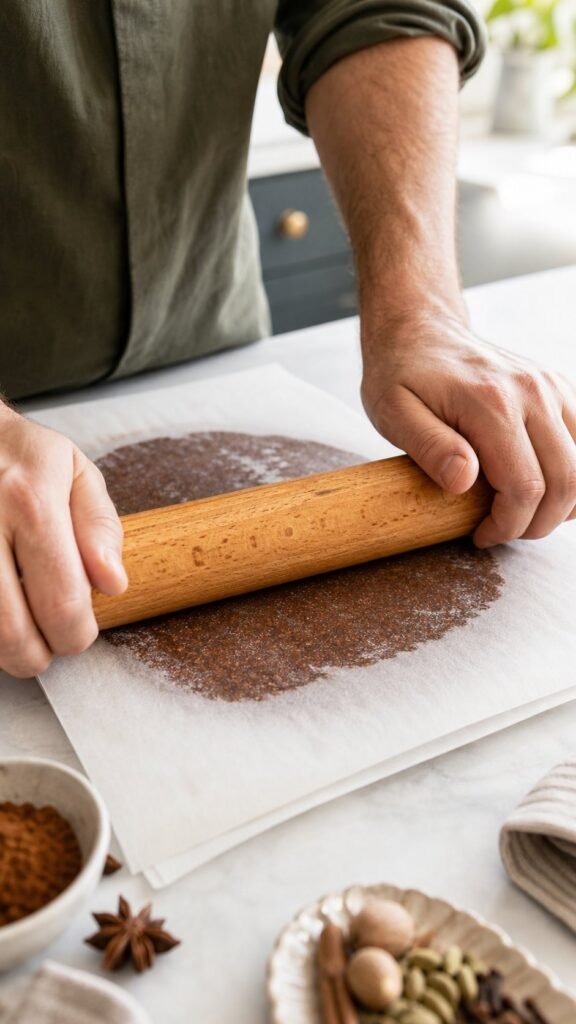
Use a heavy wooden rolling pin to roll the dough out until it is exactly 1/4-inch thick. Do not roll it paper-thin. Thick dough equals soft cookies.
6. Cut the shapes.
Peel the top layer of parchment paper off. Use a metal cookie cutter to punch out your shapes.
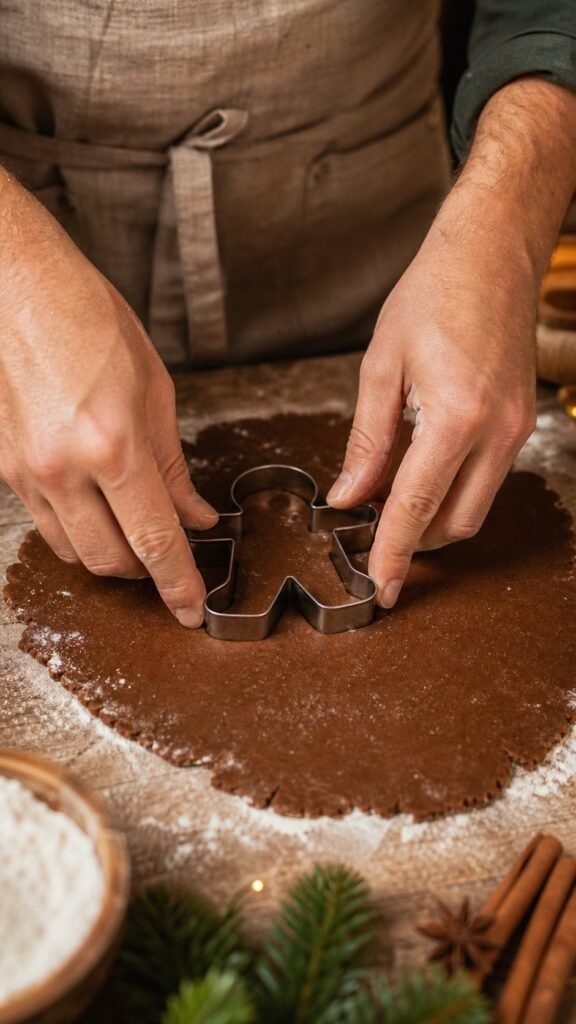
Use a thin metal spatula to transfer the cut-out cookies to a parchment-lined baking sheet. Leave about an inch of space between them. Gather the scraps, put them back between the parchment, and roll them out again.
7. Bake.
Bake at 350°F (175°C) for exactly 8 to 9 minutes. The center of the cookies should still look slightly puffed and soft when you pull them out. If the edges are turning dark brown, you have overbaked them. Let them cool on the baking sheet for 5 minutes before moving them to a wire rack.
8. Pipe the Icing.
In a clean bowl, whisk the powdered sugar, meringue powder, and warm water. Start with 3 tablespoons of water and whisk aggressively. If it is too thick to pipe, add a few more drops of water.

Put the icing into a piping bag with a tiny round tip (or a Ziploc bag with the corner snipped). Pipe faces, buttons, and squiggles onto the completely cooled cookies. The icing will dry hard in about two hours.
What I Got Wrong First
The first time I made these, I used a dark, non-stick metal baking pan. Dark pans absorb and radiate heat much faster than light aluminum pans. The bottoms of my gingerbread men completely scorched and turned black before the centers were even baked. Always bake cookies on light-colored aluminum baking sheets.
Second mistake: I baked them for 12 minutes because they “looked too soft” at the 9-minute mark. By the time they cooled on the counter, they had hardened into absolute rocks. Cookies continue to bake on the hot metal pan after you pull them out of the oven. Trust the timer. Pull them at 9 minutes.

Quick Cookie Troubleshooting
Why did my gingerbread men spread into blobs?
Your dough got too warm before it went into the oven. The butter melted before the flour could set. If your kitchen is hot and the dough feels squishy after you cut out the shapes, put the entire baking sheet into the freezer for 10 minutes right before you bake them. Cold dough holds sharp edges.
Why is my dough cracking when I roll it?
It is too cold. If it sat in the fridge overnight, it will be like a block of cement. Let it sit at room temperature for 10 to 15 minutes before you try to hit it with a rolling pin.
Can I use regular frosting instead of royal icing?
Yes, but you will not be able to stack them. If you prefer a soft buttercream, use Wilton’s Buttercream Icing Recipe. Just know that if you put them in a cookie tin, the buttercream will smash everywhere.
Make-Ahead Baking Schedule
Gingerbread dough is incredibly resilient, making it the perfect stress-free holiday bake.
The Week Before: Make the dough, wrap it in plastic wrap, and keep it in the fridge for up to 4 days before you roll it out.
Freezing the Dough: You can freeze the tightly wrapped discs of dough for up to 3 months. Let them thaw in the fridge overnight before rolling. You can also freeze the completely baked (but undecorated) cookies in a Ziploc bag.
Storing the Finished Cookies: Once the royal icing has dried completely hard (give it at least 3 hours), you can stack the cookies in an airtight container or a decorative holiday tin. Keep them at room temperature. Because of the heavy molasses content, they will stay soft and fresh for an entire week.
Variations and Tweaks
Orange Spice Gingerbread: Add one tablespoon of freshly grated orange zest to the butter and sugar when you are creaming them together. The citrus oils cut through the heavy, dark molasses beautifully and make the cookies taste incredibly bright.
Chocolate Dipped: If you don’t want to mess around with piping bags and royal icing, skip it. Melt a bowl of semi-sweet chocolate chips (or white chocolate) and simply dip half of each baked gingerbread man into the chocolate. Lay them on wax paper to set.
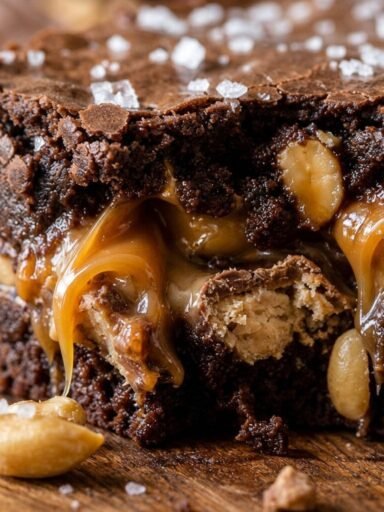
Giant Gingerbread Cookie Cake: Don’t want to cut out shapes? Press the entire batch of chilled dough into a heavily greased 9×13 inch baking pan. Bake for 18-20 minutes until the edges are set. Frost the massive slab with cream cheese frosting or thick caramel, just like the caramel in my Snickers Brownies.
Soft & Chewy Classic Gingerbread Cookies
No bricks here — holds sharp edges but bends when you bite. Brown sugar keeps them gooey, parchment sandwich keeps flour out, royal icing dries hard for stacking.
Ingredients 01
Brown sugar = soft. White sugar dries cut-outs into bricks. Parchment sandwich = no chalk. Rolling on floured counters forces ½ cup extra raw flour into re-rolls — last batch tastes dusty. Roll between 2 parchment sheets: zero added flour, zero sticking, ¼″ thick = bendy cookies with crisp edges.
As an Amazon Associate, we may earn from qualifying purchases. Click any ingredient name to shop it on Amazon — no extra cost to you.
How to Cook 02
Whisk 3 cups flour + 1 Tbsp ginger + 1 Tbsp cinnamon + ½ tsp cloves + ½ tsp nutmeg + ¾ tsp soda + ½ tsp salt in a large bowl.
Beat ¾ cup softened butter + ¾ cup dark brown sugar 2 min with electric hand mixer till fluffy and lighter. Add ½ cup molasses + 1 egg + 1 tsp vanilla, beat smooth.
Dump dry into wet. Mix on lowest speed just until flour disappears. Don’t overwork — tough cookies.
Divide in half, form thick discs, wrap tightly in plastic, fridge at least 3 hours (overnight even better). Warm butter = blobs that spread and lose shape. Cold butter = sharp gingerbread men.
Let 1 disc sit 5 min (not rock hard). Place between 2 large parchment sheets and roll with heavy pin to exactly ¼-inch. Don’t roll paper-thin — thick = soft. No flour on counter.
Peel top parchment, punch with metal cutter. Lift with thin metal spatula to parchment-lined light aluminum sheet, 1 inch apart. Gather scraps, re-roll between parchment — no flour added.
Bake at 350°F (175°C) 8–9 min. Centers should still look slightly puffed and soft; edges not dark brown. Overbaked = rocks after cooling (carryover bakes on hot pan). Cool on sheet 5 min then wire rack.
Whisk 2 cups powdered sugar + 1½ Tbsp meringue powder + 3 Tbsp warm water aggressively. Too thick? Add drops of water. Pipe with tiny round tip (or Ziploc snipped corner) — faces, buttons, squiggles — onto completely cooled cookies. Dries hard in ~2 hours for stacking.
Notes 03
Floured counters feel helpful but each re-roll sucks in raw flour — final batch = chalky. Between parchment, dough never sticks to pin or counter and you add zero flour. Keeps cookies impossibly soft and spiced.
Dark non-stick pan: absorbed heat, scorched bottoms black before centers baked — use light aluminum. Baked 12 min “till firm”: looked soft at 9, I waited — cooled into rocks. Pull at 8–9 min; they firm on the hot pan.
Blob spread? Dough warm — butter melted before flour set. If kitchen hot and cut shapes feel squishy, freeze sheet 10 min before bake. Cracking when rolling? Too cold — rest 10–15 min at room temp. Want soft frosting? Use Wilton’s Buttercream Icing Recipe — but you can’t stack tins, it smashes.
Week before: dough discs wrapped → fridge up to 4 days. Freeze discs: tightly wrapped → 3 months; thaw overnight fridge. Freeze baked: undecorated cookies → Ziploc. Stack only after icing hard 3 hrs.
Orange Spice: add 1 Tbsp fresh orange zest to butter+sugar — bright cut through molasses. Chocolate Dipped: skip piping, dip half of each cookie in melted semi-sweet or white chocolate, set on wax paper. Giant Cookie Cake: press all chilled dough into greased 9×13 pan, bake 18–20 min till set, frost with cream cheese or thick caramel like my Snickers Brownies caramel.
Once royal icing is hard (3 hrs), stack in airtight tin at room temp 1 week — molasses keeps them soft and fresh. No fridge needed. Don’t stack before dry or faces smudge.
Nutrition 04
| Nutrient | Per Cookie (1 of 24) — Decorated |
|---|---|
| Calories | 150 kcal |
| Protein | 2 g |
| Carbohydrates | 24 g |
| Fiber | 1 g |
| Sugar | 12 g |
| Fats | 6 g |
| Saturated Fat | 4 g |
| Sodium | 85 mg |
3-inch gingerbread man cutter, 24 cookies, with royal icing. Sugar is structural — brown sugar holds moisture; cut it and cookies dry to bricks.
Allergens: wheat (flour), dairy (butter), egg, meringue powder (egg). Check meringue powder label.
More to bake: Eggnog Gingerbread Thumbprint Cookies · Best Almond Flour Brownies · Chocolate Chip Pumpkin Muffins · Wilton’s Buttercream Icing Recipe · Snickers Brownies